Scuba Diving Safety, Health & Common Risks Explained
This guide explains the most important scuba diving safety concepts, common health risks, and practical precautions to help you dive safely and confidently.
⚖️ Understanding Neutral Buoyancy
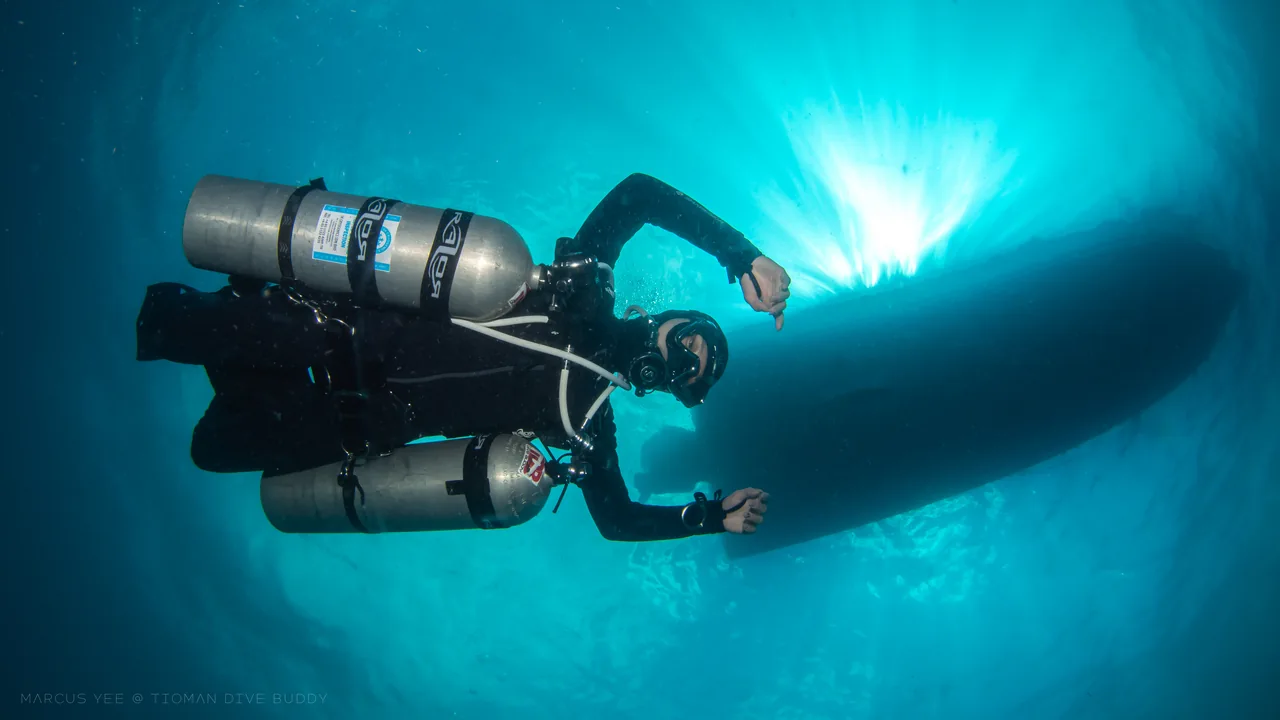
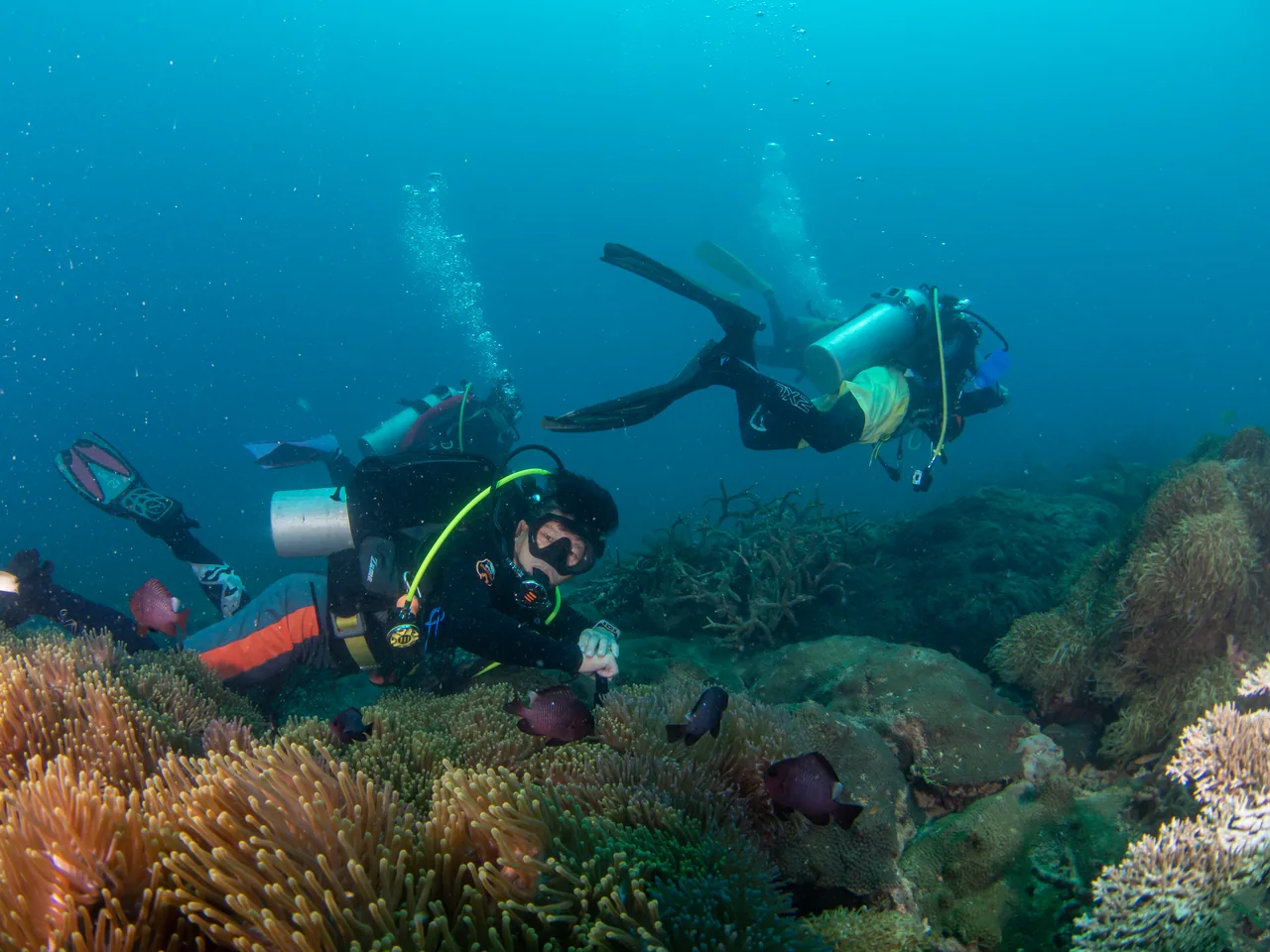
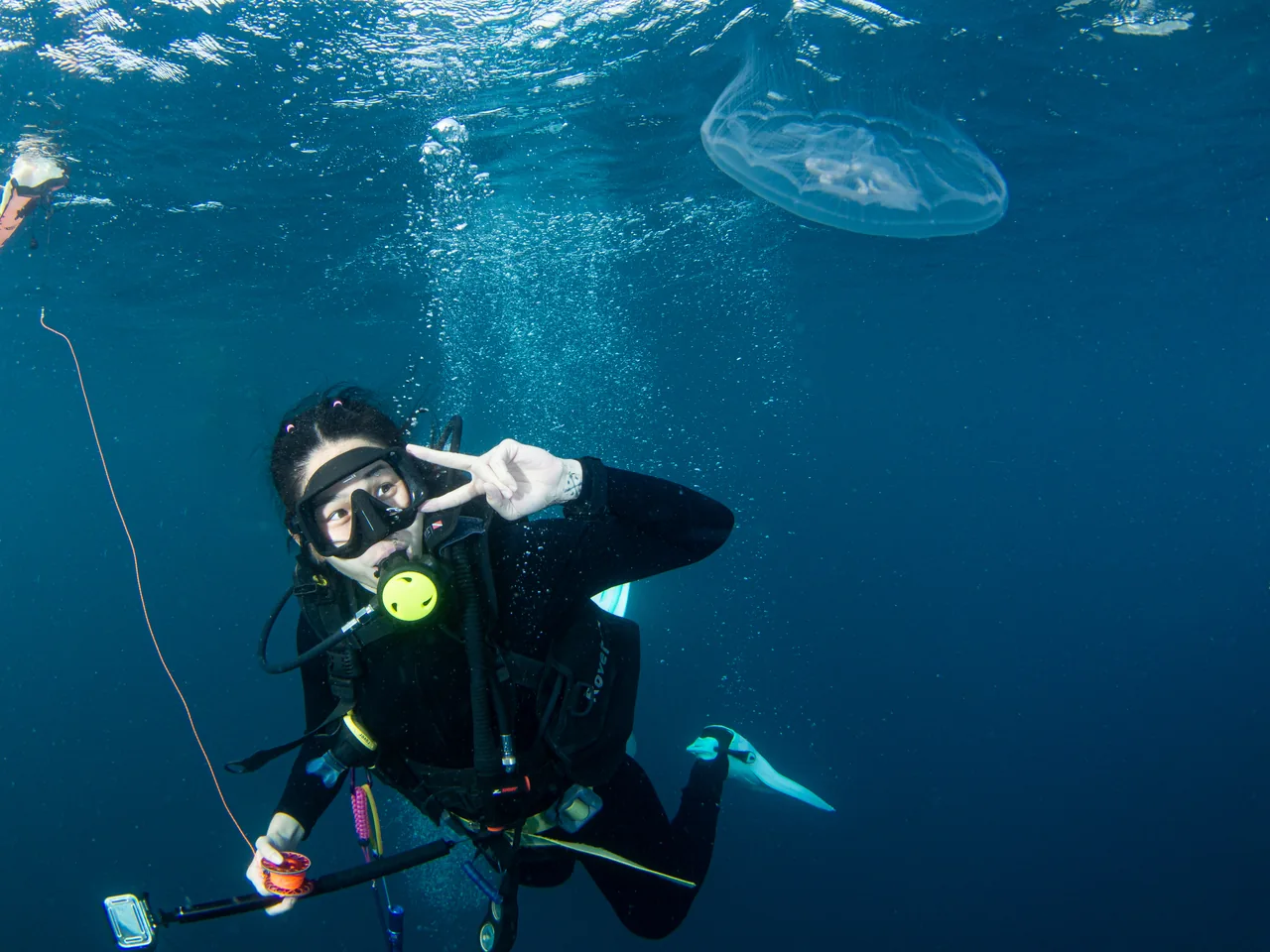
Neutral buoyancy is the ability to float effortlessly underwater without sinking or rising to the surface. It is one of the most important skills in scuba diving.
- Prevents uncontrolled ascents and descents
- Reduces fatigue and air consumption
- Protects coral reefs and marine life
- Improves stability for underwater photography
🤿 Headache After Diving
Headaches after diving are common but should never be ignored. Most are caused by breathing habits, equipment setup, or ascent control.
Common Causes
- Rapid or shallow breathing (CO₂ retention)
- Incorrect tank or mask position
- Tight hood or poor circulation
- Jaw tension from regulator mouthpiece
- Ascending too quickly
How to Prevent It
- Breathe slowly and deeply
- Adjust equipment correctly
- Ascend no faster than 9–10 m/min
- Perform a 3-minute safety stop
- Stay hydrated and rested
🫁 Decompression Sickness (DCS)
Decompression sickness occurs when nitrogen bubbles form in the body due to rapid ascent. Symptoms can range from joint pain to serious neurological issues.
- Joint or muscle pain
- Numbness or tingling
- Dizziness or confusion
- Skin rash or itching
Always follow dive computer limits, ascend slowly, and perform safety stops. Seek medical attention immediately if DCS is suspected.
🚫 Things Not to Do After Diving
- Do not fly or go to high altitude immediately
- Avoid hot showers or hot tubs
- Avoid strenuous exercise
- Do not drink alcohol immediately
- Do not ignore unusual symptoms
🛟 General Diving Safety Tips
- Get properly trained and certified
- Check equipment before every dive
- Dive within your experience level
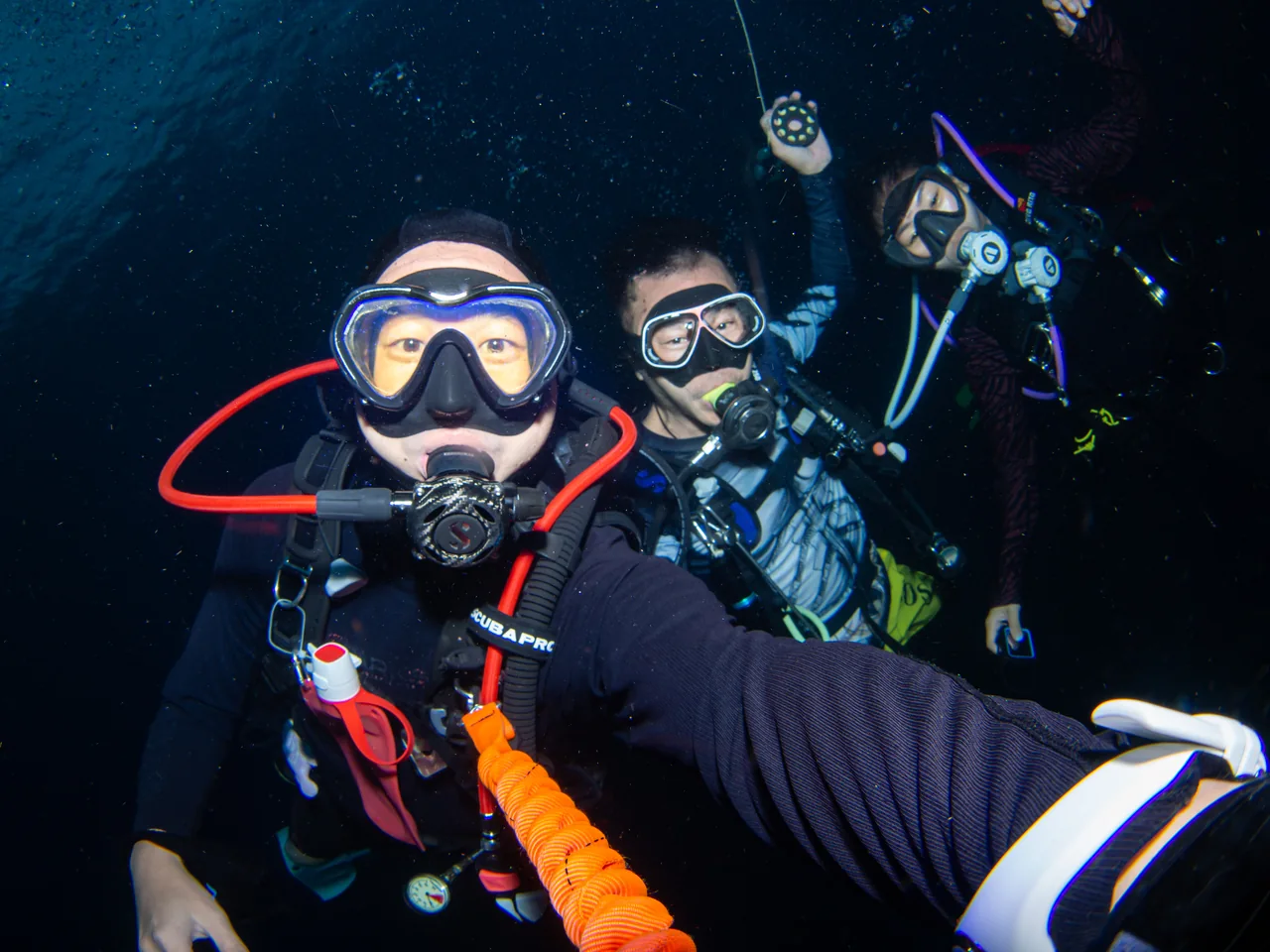
- Always dive with a buddy
- Monitor air supply regularly
⚠️ Important Safety Reminder
Most diving incidents are preventable through proper training, correct buoyancy, controlled ascent, and good judgment.
If something feels wrong during a dive, end the dive immediately and inform your dive buddy or instructor.
❓ Scuba Diving Safety FAQ
Is scuba diving safe for beginners?
Yes, when done with certified instructors and proper training.
Are headaches after diving normal?
They are common but usually preventable with proper breathing and equipment setup.
When should I seek medical help?
If symptoms include dizziness, numbness, severe fatigue, or breathing difficulty.